
Theater Under the Shadow
Drama, Vanguard, and "Posibilismo" in Post-War Spain.
Why this Collection?
After the Civil War, Spanish theater faced a crossroads. These three editions offer a comprehensive map of how playwrights confronted censorship and existential anguish, creating a bridge between the Spanish tradition and the European Vanguard.
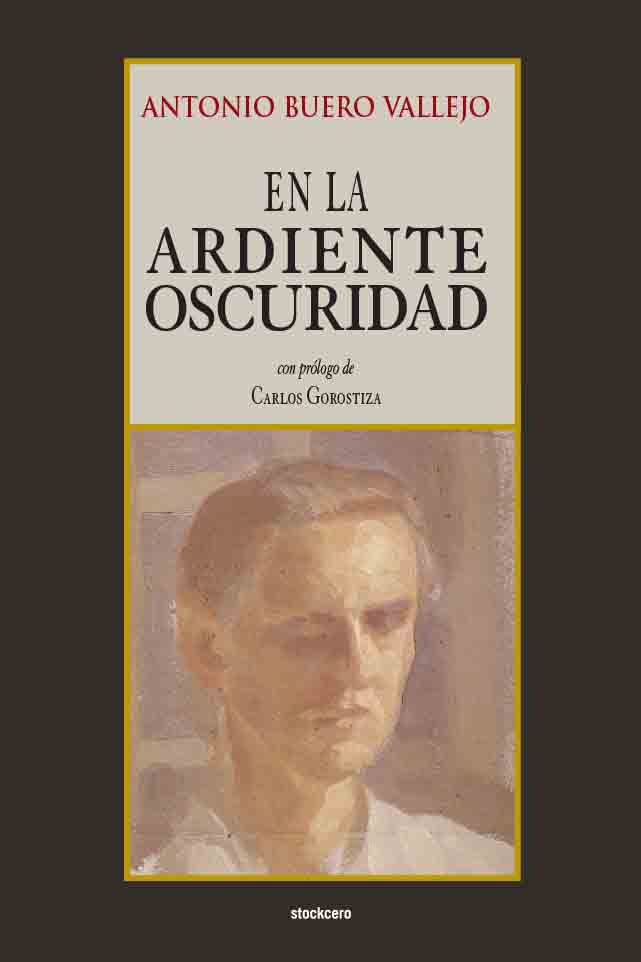
- 1. The Metaphor of Blindness (En la ardiente oscuridad): Buero Vallejo’s first major success establishes the strategy of "Posibilismo." By using blindness as a symbol for the human condition, he critiques the "official reality" of the regime without triggering immediate censorship.
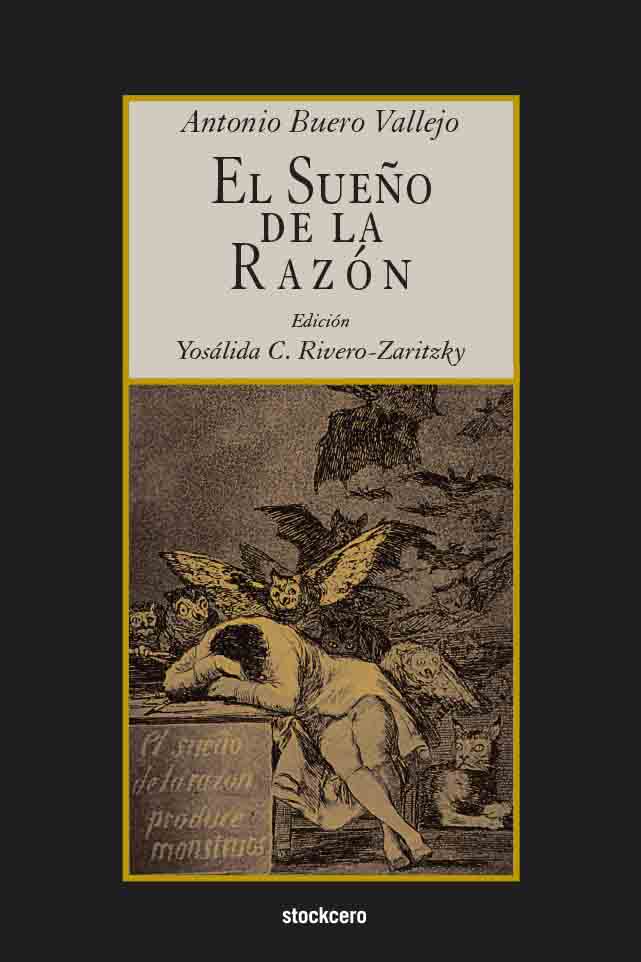
- 2. Total Immersion & History (El sueño de la razón): Years later, Buero evolves his technique. Using Goya’s deafness and the "Black Paintings," he creates a sensory experience that forces the audience to feel the oppression of tyranny from within.
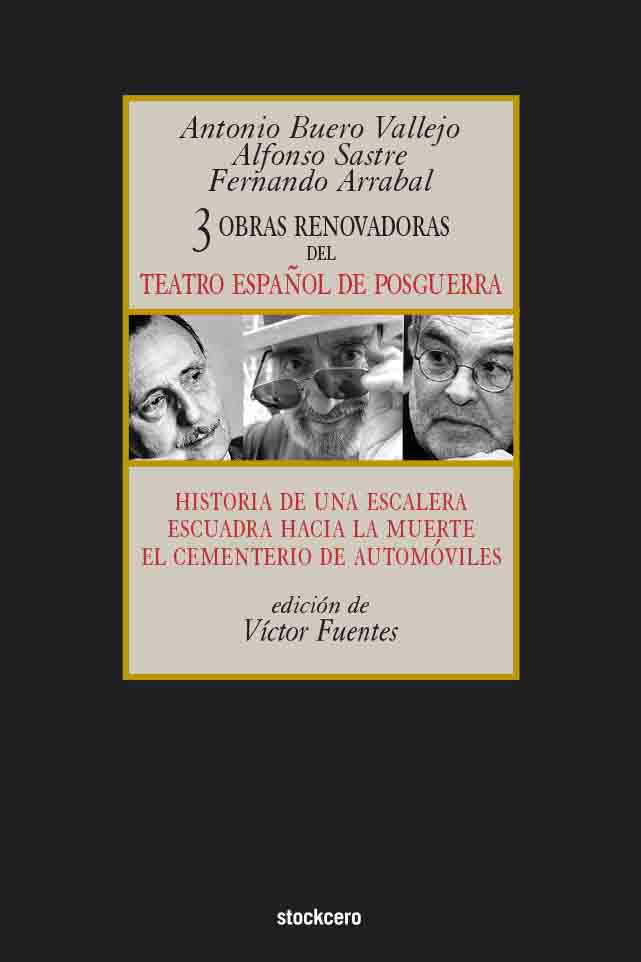
- 3. The Radical Alternatives (Tres obras renovadoras): This volume provides the necessary counterpoint. It contrasts Buero’s ethical realism with Alfonso Sastre’s "Radical Tragedy" (social agitation) and Fernando Arrabal’s "Theater of Panic" (absurdism/surrealism), showing the full spectrum of resistance.
Complete your Spanish Theater Collection
Purchase all three editions together for your course.
Get a 25% REBATE on the Bundle
BUY THE 3-BOOK BUNDLE & SAVEalso, click to learn about
the Orson Welles-Buero Vallejo “lost” script
in an exquisite edition

|
The Stockcero Guarantee
SpanishBookPress Editions. |