Curated Collection
PROMOTIONAL THEMATIC COURSE BUNDLE for seamless syllabus integration and significant savings
TEACHING KIT
NOTE FROM THE AUTHOR *
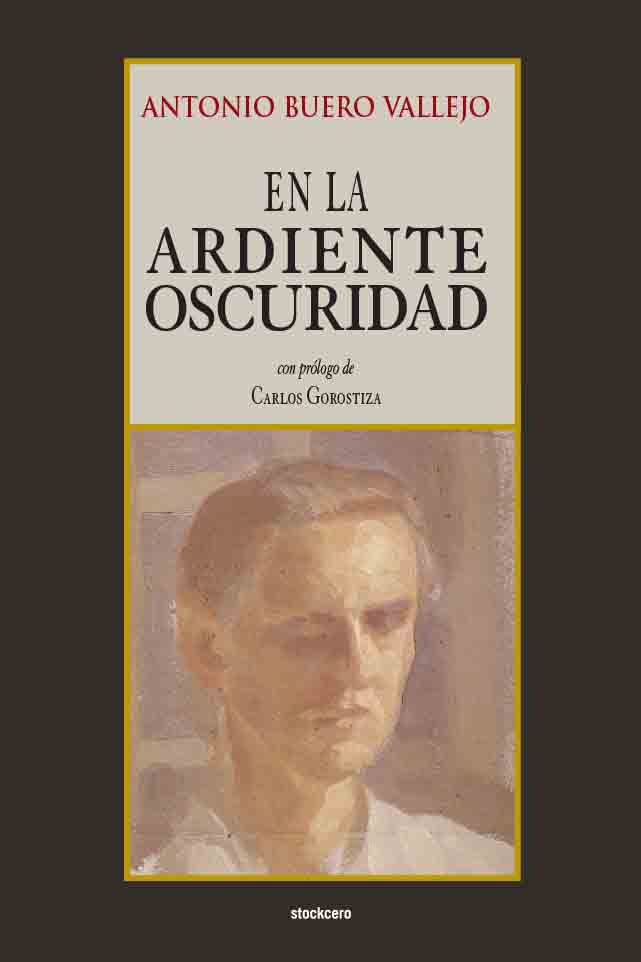
In the Burning Darkness aims to set down within a realistic framework, so necessary to the theatre, a nucleus of problems and passions involving man in general, and not blind people in particular, of whose reactions or educational training I did not aspire to offer a faithful picture.
The physical blindness of my characters is only a motive or pretext for presenting «blindnesses» and limitations in which we all share «the blind included, but as human beings, not merely as blind people.
According, the play may be said rather to sketch the tragedy of man and his destiny, a problem which again is acquiring legitimacy and urgency for the serious theatre of our times and in connection with which we dramatists shall never tire of repeating the paradoxical but necessary warning, that the positiveness and optimism of the tragic sense in the theatre must not be confused with the negative, destructive character of sheer pessimism.
Two aspects, among others, I would venture to set down as intentionally dominant within the plan of my work. One of them is that the social relationship, sometimes free, sometimes forced which is established between a strong individuality whose reasoning and frustration conflict with the reasoning and passion of the community in which we live. The other involves the tension of the visionary, the yearning fot «light» and the believe in it which occasionally distinguishes in our world, people of genuine religious temperatment facing the smug material interests of the majority. The pain of this tension occasionally causes the unbeliever someone who actually is not. I obviously mean by this that both John and his apparent enemy and secret disciple, Carl, when the latter repeats as his own the former's words, are far from being supporters of the most sceptical and negative positions within the institution where they live.
But these intentions and symbolisms are not actually assential in a play «at least they are not, as far as most spectators are concerned. Audiences generally expect to find in the theatre genuine life and passion. And genuine life and passion, above all else, are what I wished to offer in this play. But the author never can be sure where he succeeded or erred because his work is constantly exposed to new and diverse examinations. It is now up to the Santa Barbara public to judge it, while he waits for the verdict on the other side of the Atlantic. The play is no longer his. It crossed the ocean, and perhaps he is hoping, as he thinks of California, that his modest words telling of sorrow, be not misunderstood or ill-received, since they are a message sent from the one to the other land of oranges. With is goes my cordial greeting to all those who have come to see the play on these my first spiritual visit, which I hope will be repeated, to the great country where Liberty has its statue.
*(December 4, 1952 - Santa Barbara College, University of California, published in the play programme)
Translation: Samuel Wofsy
Adaptation: Theodore Hatlen

Customer reviews functionality will be available soon.