
Origins, Picaresque & Costumbrismo
A 6-Book Bundle for Introductory Literature Syllabi
Trace the evolution of the anti-hero across the Atlantic. This carefully curated 6-book collection provides educators with the essential texts to build a comprehensive syllabus exploring the transition from the Spanish picaresque tradition to Latin American costumbrismo.
Beginning with the foundational Lazarillo de Tormes, students can analyze how the subversive survival tactics of the European rogue were adapted to critique the colonial reality of the Americas. Through travelogues, captivity narratives, and social satires by Concolorcorvo, Sigüenza y Góngora, and Fernández de Lizardi, the collection illustrates the transformation of the starving pícaro into the cynical, modern dandy. The journey culminates in Eugenio Díaz Castro's Manuela, offering a raw, realistic portrayal of the socio-political tensions and gender dynamics in 19th-century Colombia.
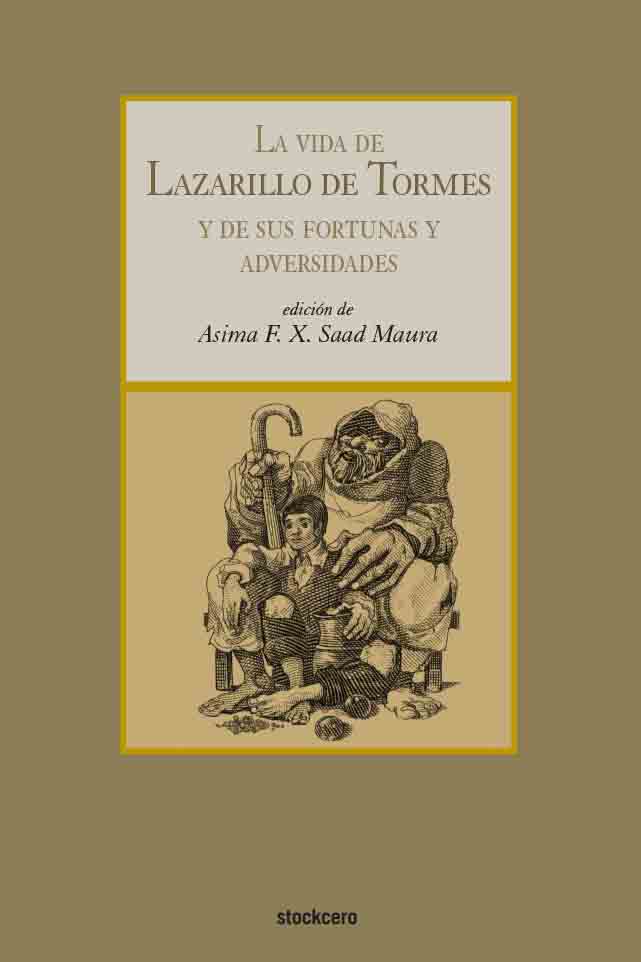
La vida de Lazarillo de Tormes
The cornerstone of the picaresque genre. This critical edition preserves the original 16th-century orthography while providing accessible footnotes, inviting students to engage deeply with its anticlerical satire and profound social critique.
View Full Edition Details →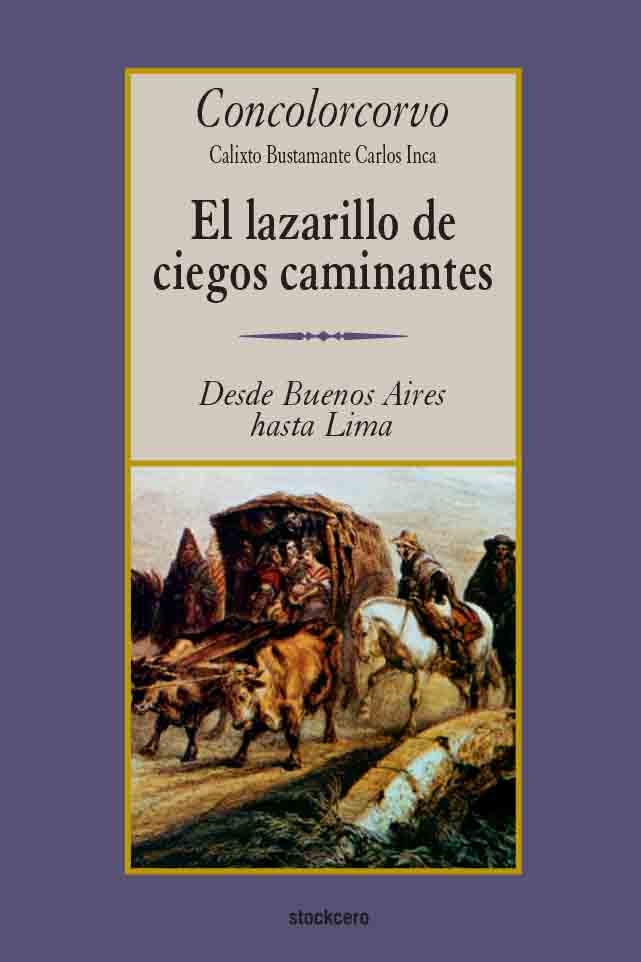
El lazarillo de ciegos caminantes
A brilliant adaptation of the picaresque model mapping the colonial route from Buenos Aires to Lima. A masterful blend of travelogue, official memory, and biting sarcasm masked under indigenous authorship.
View Full Edition Details →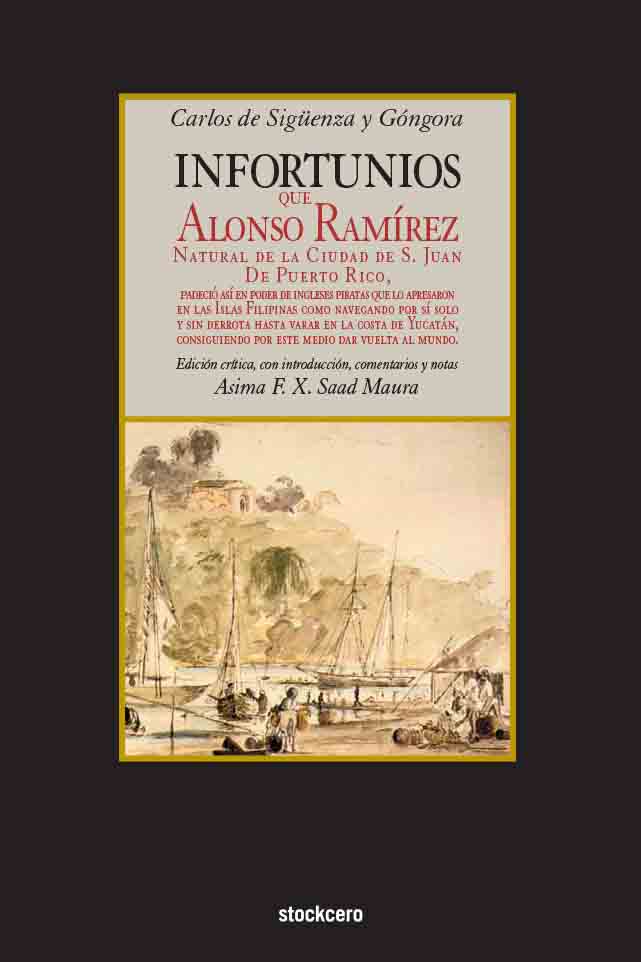
Infortunios de Alonso Ramírez
Navigating the blurry lines between history and fiction, this 1690 narrative recounts the global captivity of a Puerto Rican protagonist, addressing issues of colonial identity, piracy, and religious conflict.
View Full Edition Details →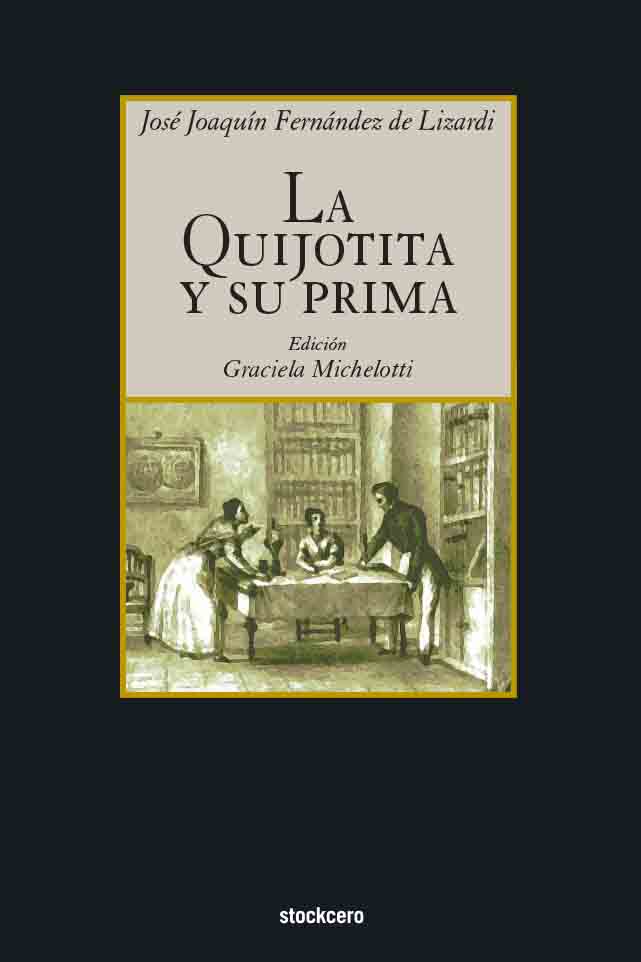
La Quijotita y su prima
Applying the concept of "quixotism" to female education, this didactic novel explores the clash between Enlightenment ideals and decaying colonial customs in pre-independence Mexico.
View Full Edition Details →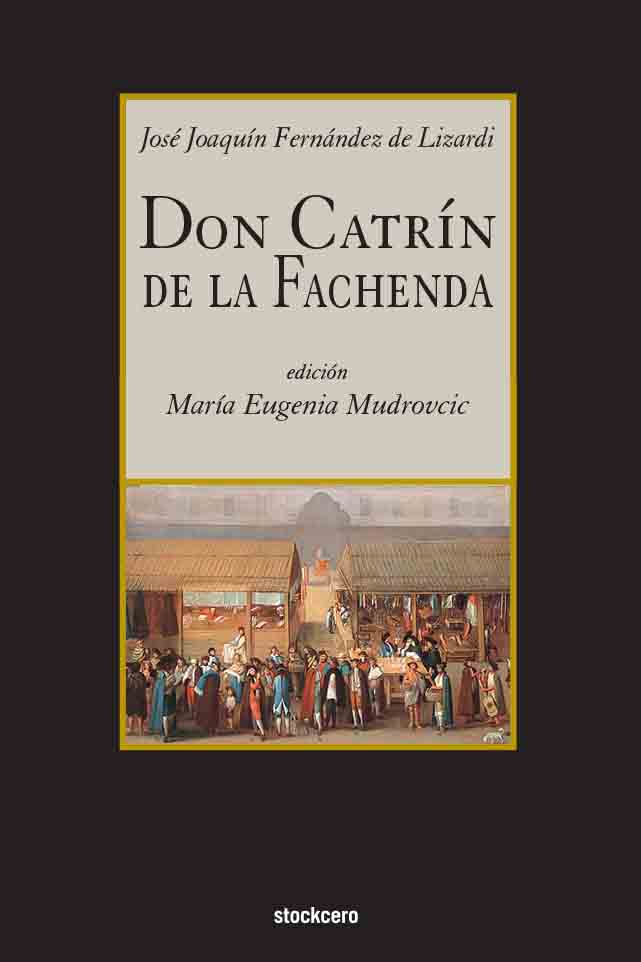
Don Catrín de la Fachenda
Witness the evolution of the starving pícaro into the cynical, materialistic dandy. A sharp critique of the cultural anxiety surrounding the collapse of the colonial order and the onset of modernity.
View Full Edition Details →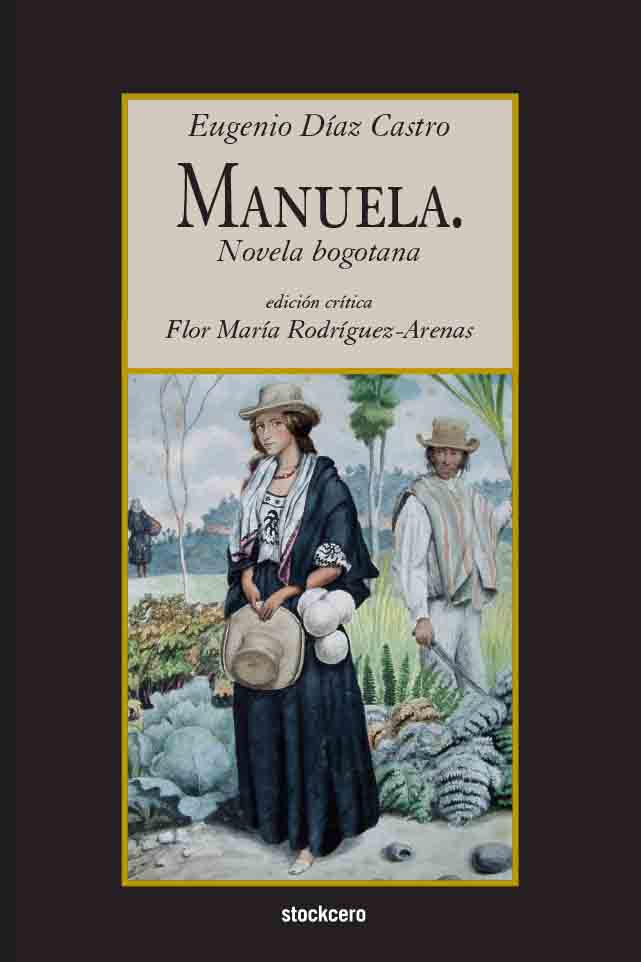
Manuela. Novela bogotana
A masterpiece of mid-century realism and costumbrismo. Díaz Castro crafts a poignant critique of socio-political imbalance and gender violence in a transitioning 19th-century Colombia.
View Full Edition Details →Adopt the Complete Collection for Your Course

Printed in the USA. Never backlisted. Always available.