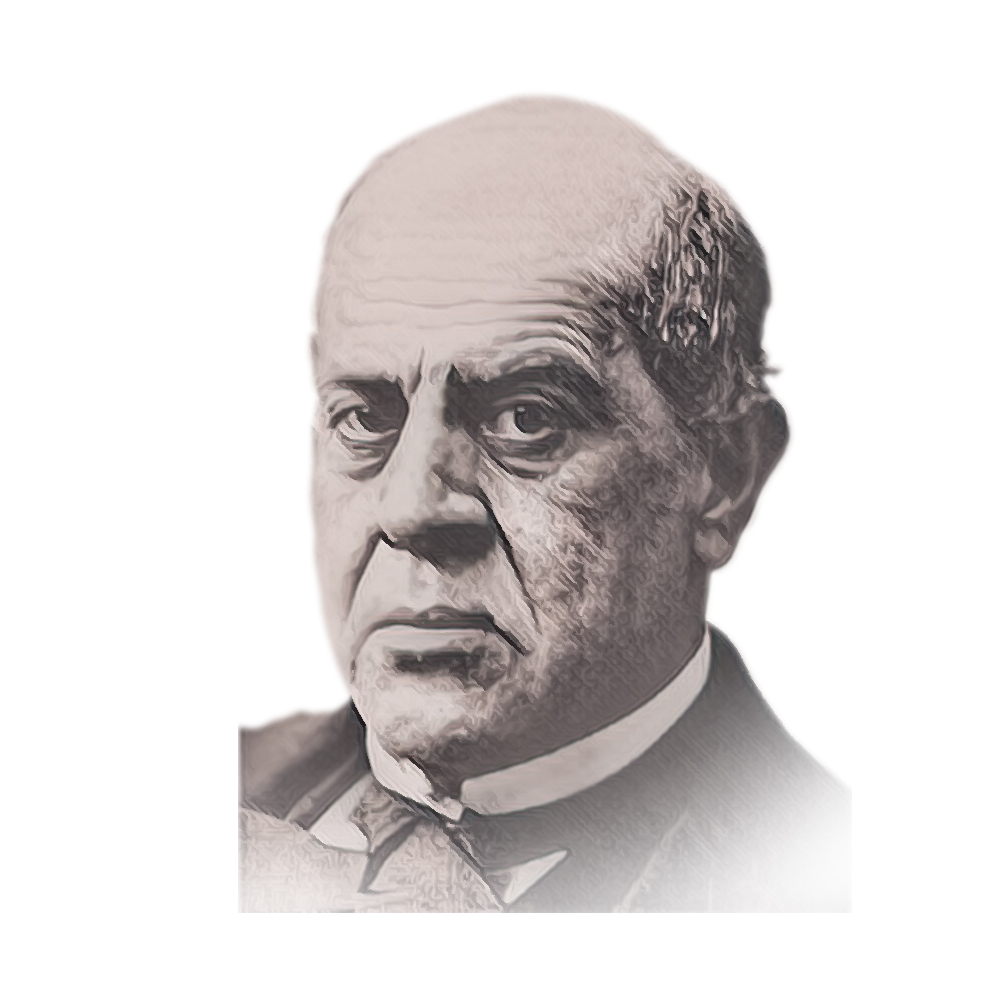
Domingo Faustino Sarmiento1811–1888, Argentine statesman, educator, and author, president of the
republic (1868–74). An opponent of
Juan Manuel de Rosas,
he spent years of exile in Chile, becoming known as a journalist and an educational
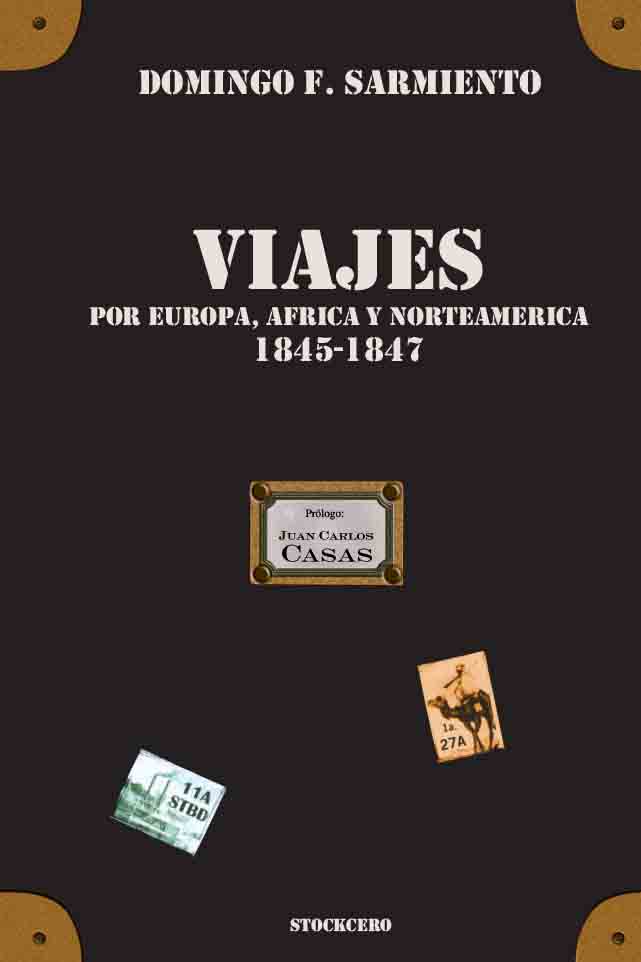
reformer. He toured Europe and North America and was impressed by the school
system and the political organization of the United States, an experience that
marked his future life as politician and statesman. He helped
Urquiza
to overthrow
Rosas in 1852 and became active in politics. In
Oct., 1868, he succeeded
Bartolomé Mitre as president.
His administration was marked by the conclusion of the War of the Triple Alliance
against Paraguay, by material progress, and, especially, by the organization
of schools and the reform of educational methods.
Sarmiento
was succeeded by
Nicolás Avellaneda. His essays on education
and politics, historical studies, and critical works are distinguished by crisp
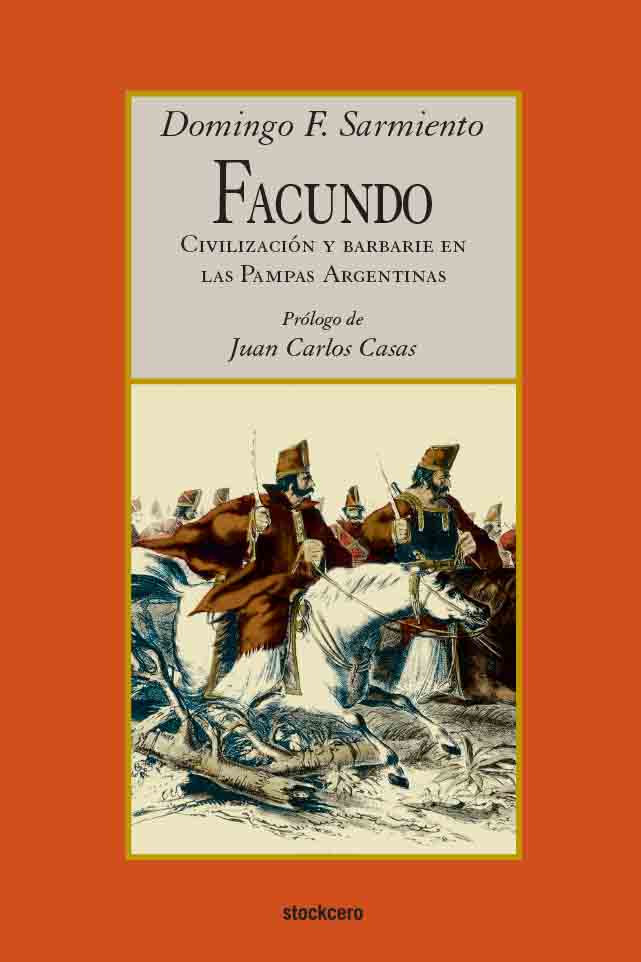
style. Best known is
Facundo, o Civilización i* barbarie(1845; tr.
Life in the Argentine Republic in the Days of the Tyrants,
nominally a biography of
Juan Facundo Quiroga, but actually
an in-depth study of caudillismo, personalism in politics.
* The ortographic rules at the time Sarmiento lived in Chile
indicated an "i" wherever a "y" was previously used.
Domingo F. Sarmiento en la Biblioteca Virtual Miguel de Cervantes